How to Brush Your Cat’s Coat: A Step-by-Step Tutorial

While cats are renowned for their grooming skills, it doesn’t hurt to give even the most fastidious feline just a little extra help in keeping that coat shimmering and free of tangles. The many benefits of regular brushing—keeping your cat looking great, improving health, and strengthening your bond—are unrivaled. If you are wondering where to start, this thorough step-by-step tutorial will walk you through how to brush your cat’s coat effectively and safely. Take a deep breath because grooming your cat is easier than you think!

Why Brushing Your Cat’s Coat Is Important

Brushing your cat’s coat is not just about keeping them looking good; it has numerous advantages that benefit your pet’s well-being:

  • Reduces Shedding: Regular brushing removes loose fur, reducing shedding and keeping your home cleaner.

  • Prevents Matting: Particularly for long-haired cats, brushing prevents painful tangles and mats.

  • Stimulates Skin Health: Brushing promotes blood circulation and distributes natural oils, keeping the coat healthy and shiny.

  • Minimizes Hairballs: Cats groom themselves by licking, often ingesting loose hair. Brushing reduces the amount of fur they swallow, hence reducing the chances of hairballs.

Tools You Need

Before you get started, make sure you have the right tools for your cat’s coat type. Here are a few essentials:

  • Slicker Brush: Excellent for working out tangles and mats in long-haired cats.

  • Bristle Brush: Perfect for short-haired cats to remove loose hair and dust.

  • Wide-Tooth Comb: Handy for working out stubborn tangles with care.

  • Rubber Brush or Mitt: Great for cats that don’t like normal brushes; it is gentle and massages their skin.

  • De-shedding Tool: Ideal for heavy shedders such as Maine Coons or Ragdolls.

Select a tool based on your cat’s coat type and sensitivity to make sure they are comfortable during grooming.

Step 1: Prepare Your Cat for Grooming

Not all cats take instantly to being brushed. Here are some tips to prepare your cat for a successful grooming session:

  • Choose the Right Time: Always choose a quiet moment with your cat, either when it has just finished eating or playing.

  • Create a Comfortable Environment: Find a quiet place that is free from distractions. Allow them to feel secure on the ground with a soft towel or blanket.

  • Introduce the Brush: Allow your cat to get used to the look and smell of the brush by letting them sniff it before commencing. Immediately reward curiosity with a treat or light stroking.

  • Start with light, quick strokes to accustom your cat. If they begin to stress or appear agitated, immediately stop and then try later.

Step 2: Correct Direction in Brushing

Brushing your cat correctly ensures that your feline stays comfortable while you achieve the best results of their grooming:

  • Brush with the Fur: Always brush the cat from the head towards the tail, following the direction of hair growth.

  • Be Gentle: Especially around the belly and legs, use light pressure.

  • Avoid Tugging: Work out knots and tangles gently using a wide-tooth comb. Never pull on your cat’s hair.

Step 3: Attend to the Problem Areas

There may be areas of your cat’s coat that will require a little more TLC:

  • Undercoat: Use a de-shedding tool for loose undercoat hair in thickly furred breeds, such as Persians.

  • Abdomen and Axillary: These areas may matt easily, so check regularly and use a gentle touch.

  • Tail: Gently brush the tail since this area can be sensitive.

Step 4: Make It a Positive Experience

To ensure that your cat associates brushing with positive feelings:

  • Positive Reinforcement and Treats: Reward good behavior with words of encouragement, petting, or treats.

  • Short Sessions: Grooming sessions should be short, especially when starting out. Gradually increase the time as your cat becomes more comfortable.

  • Respect Their Boundaries: If your cat becomes agitated or tries to escape, stop brushing and try again later. Forcing the process can create negative associations.

Step 5: Clean and Maintain Your Grooming Tools

After every session, clean your brushes and combs to keep them in good working condition and hygienic as well. Remove trapped fur and wash the tools if necessary with mild soap and water. Dry them properly before putting them away.

How Often to Brush Your Cat?

The frequency depends on your cat’s coat type and lifestyle:

  • Short-Haired Cats: Once or twice a week would be adequate.

  • Long-Haired Cats: Recommended daily to avoid mats and tangles.

  • Heavy Shedders: Increase frequency during shedding seasons, spring and fall, to manage loose fur.

Common Challenges and Solutions

Not every brushing session will go smoothly. Here are a few common problems and their solutions:

  • Resistance to Brushing: Switch to using a rubber brush or a grooming glove for a more gentle approach. Groom just for a minute or two and gradually increase the duration.

  • Tangles and Mats: Work on tangles in small sections using a wide-tooth comb. For severe mats, consider seeking professional grooming assistance.

  • Scratching or Biting: If your cat lashes out, pause the session and try again later. Trim their nails beforehand to minimize scratches.

When to Seek Professional Help

Sometimes, professional grooming may be necessary. Seek help if:

  • Your cat’s coat has severe mats that you can’t safely remove.

  • Your cat is extremely resistant to brushing despite your efforts.

  • You’re dealing with a breed that requires specialized grooming, like a Persian or Himalayan.

Professional groomers have the tools and expertise to handle even the most challenging situations while keeping your cat safe and comfortable.

The Best Cat Grooming Tips

To ensure your cat’s coat stays in top condition, incorporate these best grooming practices into your routine:

  • Start grooming your cat at a young age so they get used to the process.

  • Use appropriate grooming tools for your cat’s coat type.

  • Maintain a schedule for your cat’s good coat health and to reduce shedding.

  • Pair brushing with other care activities like nail trimming and ear cleaning.

Conclusion

Brushing your cat’s coat is not only a hygienic routine but also an opportunity to bond and show your feline love. Follow this step-by-step tutorial to make brushing stress-free and enjoyable for you and your furry friend. Regular brushing, whether your cat has a sleek, short coat or long and luxurious fur, will keep them healthy, happy, and looking their best.

What do you think?
Related Articles
Finding the Top Dog Boarding Near Me in Dubai: What to Look For

You open Google and type Top Dog Boarding Near Me. Because you are not just looking for a place. You want a place in which your dog feels comfortable when you’re not there. That search is emotional. It is urgent. And it is deeply personal. Before you choose the closest option on the map, there are a few things that matter far more than distance. If you are comparing options right now, you can explore how a home style boarding space looks here:Fancy Furry Dog Boarding Dubai Why “Near Me” Feels Important But Isn’t the Only Factor Location matters. Of course it does. You want: But dogs do not understand distance.They understand environment. The ASPCA observed that dogs kept in kennel style spaces showed fearful behavior, excessive barking, and visible stress. When moved into a home like room, those stress signs almost disappeared. ASPCA finding on kennel stress and home-like rooms That is the difference you should be looking for. Top Dog Boarding Near Me: What Actually Separates Good from Great When you visit a place, do not just look. Ask. What to Ask Why It Matters for Your Dog Where does my dog sleep Soft bedding in a calm room feels safe, cages do not Are dogs supervised all day Constant presence reduces anxiety and restlessness How much play and movement time Activity prevents boredom and stress buildup Is the space quiet and clean Noise and smell trigger nervous behavior Can I visit before booking Transparency builds trust for you and comfort for your dog These small details decide whether your dog feels confused or comfortable. The Environment Should Feel Like a Second Home Walk inside and pause. Does it feel like a house.Or does it feel like a facility. Dogs relax in spaces that feel familiar. Rooms. Sofas. Bedding. Calm corners. Gentle voices. You can read more about how dogs respond to boarding environments on theFancy Furry Blog Midway through your search and feeling unsure? Visiting the space once usually answers everything. Distance Considerations Across Dubai Neighborhoods Depending on where you reside in Dubai, whether it be Marina, JVC, Downtown, Jumeirah or Al Barsha, it should be a reasonable drive. But do not trade a better environment for five minutes of saved travel time. A slightly longer drive to a calm, home style boarding place is often worth it for your dog’s emotional comfort. Because what feels “near” to you should also feel “right” for your dog. Signs You Found the Right Place You will notice it quickly. That feeling is not accidental. It is what reduces boarding stress. Conclusion While it’s true that proximity is the name of the game when it comes to finding Top Dog Boarding Near Me, it’s not the primary consideration. It’s a matter of trust, comfort and place your dog will spend time in while you’re gone. A relaxing environment, gentle handling and a home-like setting have a clear impact on dogs’ behavior when they’re boarding. So, the research indicates. When you visit anywhere, that’s what you should look for. When you find a space that feels right, you will know. This is where you can explore, visit and book:Book Dog Boarding Visit FAQs How do I choose the Top Dog Boarding Near Me in Dubai? Visit the place in person. Check where dogs sleep, how they are supervised, and whether the environment feels like a home rather than a kennel. Does distance matter when choosing dog boarding? Yes, but environment matters more. A slightly longer drive to a calm, home style space is better for your dog’s comfort. Why do some dogs get stressed in boarding places? Kennel style environments can cause fear, barking, and anxiety. Home like spaces help dogs relax naturally, as observed by the ASPCA. Key Takeaways

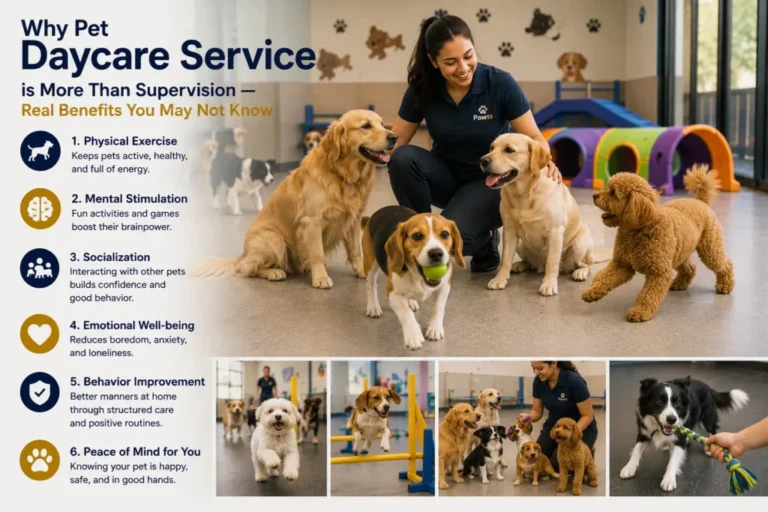
Why Pet Daycare Service is More Than Supervision — Real Benefits You May Not Know

Most people think daycare means someone watches their dog while they’re at work. That’s part of it. But a genuinely good pet daycare service does something far more important — it actively improves how your dog feels, behaves, and copes with being away from you. Here are the real benefits. The ones that show up when you get home. Want to see what a great day looks like? Explore our pet day care service in Dubai Pet Daycare Service Benefits Your Dog Actually Feels Exercise That Goes Beyond a Morning Walk Most dogs aren’t satisfied with just one morning walk. The ASPCA states that “Exercise can prevent boredom and stop your dog from engaging in destructive behavior, while keeping their mind active and healthy”. A daycare day is a structured daycare day that cannot be the same experience as a 20-minute walk. The result? A dog that comes home genuinely tired. Not restless. Tired in the best way. Socialization That Shapes Behavior Long-Term Dogs are social. Isolation — day after day — takes a quiet toll. By playing with other dogs and tender humans, your little one learns to play with others without being overreactive and to remain calm in the presence of strangers. These are the behaviors that help make life easier at the vet, park, and at guests’ homes. Anxiety Relief for Dogs Who Struggle Alone This one surprises a lot of pet parents. The ASPCA recommends taking your dog to doggy daycare as a direct strategy for dogs suffering from separation anxiety. A dog who spends the day engaged, stimulated, and in good company simply doesn’t spiral the way a dog alone at home does. Less time alone. Less stress. Fewer chewed cushions. Boredom Reduction — The Problem Nobody Talks About A bored dog is never calm for long. Barking, pacing and furniture destruction don’t have to be a personality defect. They’re a dog that has no place to put its energy. Daycare fills that gap with purpose: play, enrichment, new scents, new experiences. It resets the day completely. Read more about what dogs do at daycare    What to Look for in a Pet Daycare Service What to Check Why It Matters Caregiver-to-dog ratio More attention, less chaos Separate spaces by energy level Calm dogs need calmer groups Built-in rest periods Overtired dogs become stressed dogs Enrichment activities Mental stimulation matters as much as physical Clean, hygienic environment Non-negotiable for health Conclusion Daycare isn’t just supervision — not when it’s done right. A pet daycare that truly cares will provide your dog with exercise, socialization, anxiety alleviation and mental stimulation. All that a long day without you can’t give. Your dog will notice the difference in their behavior, rest and mood when you enter the door. They deserve a full day. Not just a safe one. Book your dog’s first daycare session with Fancy Furry FAQ What benefits does a pet day care service offer? Daycare offers not only supervision, but also structured exercise, socialization, enrichment and separation anxiety relief. Dogs come home calm, well behaved and truly exhausted, not the tired end-of-the-day type, but the healthy after-a-stimulating, well-managed day kind. Does pet day care work for dogs with separation anxiety? Often, yes. Dogs that spend long hours alone tend to grow restless, vocal, or withdrawn. A calm day care space with company, movement, and watchful caregivers can ease that pattern. The change in routine, the presence of other dogs, and steady attention usually reduce stress over time. What are the things to consider when selecting a pet day care in Dubai? Pay attention to how the place feels when you walk in. Check if there are enough caregivers for the number of dogs. Notice whether energetic dogs and quiet dogs have separate areas. Ask about rest breaks, not just play time. Look for signs of planned activities, not random free roaming. A short visit tells you more than any brochure ever will. Key Takeaways Social Snippet: A pet daycare service isn’t just someone watching your dog — it’s exercise, socialization, anxiety relief & boredom prevention all in one. Here’s what your dog actually gains from a proper day. #PetDaycareDubai

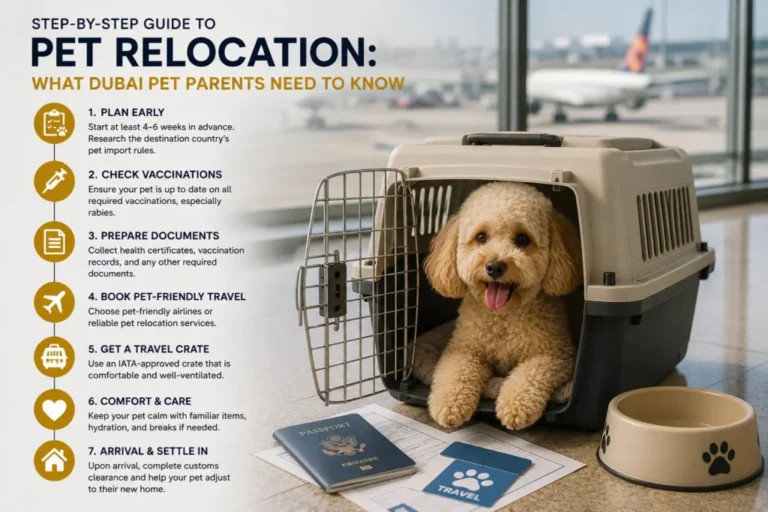
Step-by-Step Guide to Pet Relocation: What Dubai Pet Parents Need to Know

Moving abroad with your pet is one of the most stressful things a pet parent can navigate. The paperwork alone is confusing. Every country has different rules. Airlines have their own requirements. And in the middle of it all, you’re trying to keep your furry family member calm and safe through a process they don’t understand at all. The best pet relocation service takes all of that off your plate. But even with professional support, knowing what’s involved helps you prepare with confidence. Here’s the full picture — step by step. Moving soon? See how Fancy Furry handles pet relocation in Dubai Best Pet Relocation Service: The Complete Step-by-Step Process Step 1 — Start Early. Much Earlier Than You Think Pet relocation isn’t something you organize in the final week. Some countries require vaccinations, tests, and treatments to be completed in a specific order — and within a strict timeline. The AVMA notes that some countries require steps related to identification, vaccinations, tests, and treatments to be done in a precise order and within a given timeline — meaning timing isn’t flexible. Start the process at least 3–6 months before your move date. Step 2 — Get the Documents Right This is where most pet parents get overwhelmed. Here’s what’s typically required: Document What It Is Health Certificate (CVI) Signed by an accredited vet confirming your pet is disease-free and meets destination requirements Microchip Record Most countries require ISO-compliant microchipping before travel Vaccination Records Rabies vaccination is almost universally required — timing matters Import Permit Required by some countries before the pet even boards Parasite Treatment Proof Some destinations require tapeworm or tick treatment within a specific window Every destination has different requirements. Check well in advance — and keep copies of everything. Step 3 — Choose the Right Carrier The carrier isn’t an afterthought. It’s a safety item. The AVMA specifically highlights that defective crates or carriers are the most common cause of escaped or injured animals during air travel. Airlines also have their own size and construction requirements — IATA-approved carriers are the standard for international flights. What to look for in a travel carrier: Introduce the carrier weeks before travel — not the morning of departure. Step 4 — Book a Pet-Friendly Flight Carefully Not every airline allows you to bring pets. Some allow small pets in-cabin. Others require pets to travel as checked cargo. Flat-faced breeds like Bulldogs and Pugs often can’t fly because altitude can make breathing difficult for them. It’s best to check with the airline early, book in advance, and keep your vet’s contact details handy on the day you travel. More pet travel tips on our blog    Step 5 — On Travel Day: Keep It Calm Your pet reads your energy. If you’re frantic, they feel it. Conclusion Pet relocation isn’t frightening, although it’s complicated. If you arrange the timeline, the correct documentation, get an approved carrier, and a calm approach on travel day, your furry family member can arrive safely and settle into their new home without unnecessary stress. The best pet relocation service in Dubai handles all of this with you — and for you. Get in touch with Fancy Furry to start planning your pet’s move FAQs What are the steps involved in planning for the relocation of pets from Dubai? At least 3 to 6 months in advance of your move date. Many countries impose certain conditions on the order of vaccinations, health examinations and treatments to be undertaken and the length of time for which they have to be completed. The single most frequent cause of delays or denials in crossing the border with pets is starting late. What documents are needed for international pet relocation? Most trips start with a health certificate from a registered vet, microchip record, and current vaccination card with rabies clearly mentioned. Some destinations also ask for an import permit or parasite treatment note. Since every country follows its own rules, it is safest to confirm the checklist with the destination embassy or agriculture office before planning the move. Key Takeaways Social Snippet: Going overseas with your pet? The paperwork, flights and carrier rules are much more involved than they seem to be. Here is the step-by-step guide which every Dubai pet parent must have before moving.